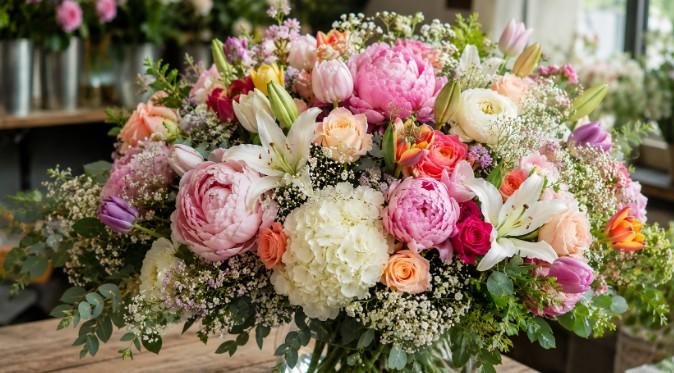
Fresh flowers have a special way of transforming ordinary moments into memorable ones. From birthdays and weddings to simple home décor, understanding the different types of flowers for bouquets can help you create arrangements that look beautiful and feel meaningful.
After exploring countless floral combinations and bouquet styles, it becomes clear that choosing the right flowers is about more than color alone. It is about balance, texture, fragrance, and purpose.
Key Takeaways
- The best bouquets combine focal flowers, fillers, and greenery.
- Popular bouquet flowers include roses, peonies, lilies, and hydrangeas.
- Seasonal blooms often stay fresh longer and cost less.
- Greenery helps create structure and visual balance.
- Matching flowers to the occasion creates a more meaningful bouquet.
Secret Behind Beautiful Bouquets
Choosing flowers may seem simple at first, but standing in front of dozens of blooms can quickly become overwhelming. Understanding the types of flowers for bouquets helps you avoid random combinations and create arrangements that look professionally designed.
A little flower knowledge can save time, improve bouquet quality, and help you choose blooms that stay fresh longer. Whether you are buying flowers for a loved one or designing your own arrangement, knowing which flowers work together makes all the difference.
The Secret Behind Beautiful Bouquets
Every stunning bouquet follows a simple design principle. Florists do not just combine flowers randomly. Instead, they use different flower categories to create harmony, movement, and depth.
A balanced bouquet usually includes focal flowers, filler flowers, and greenery. Together, these elements create a visually appealing arrangement that feels complete from every angle.
Understanding Flower Roles
Each flower serves a specific purpose within the bouquet. Some flowers attract attention, while others add texture or support the overall design. Knowing these roles helps create arrangements that look intentional rather than crowded or unbalanced.
Building Visual Balance
Professional bouquets often use flowers of different sizes, shapes, and textures. This combination creates dimension and keeps the arrangement interesting. Even a simple bouquet becomes more attractive when the flowers are chosen with balance in mind.
Focal Flowers That Steal The Show
These flowers become the center of attention and establish the bouquet’s overall style.
Roses
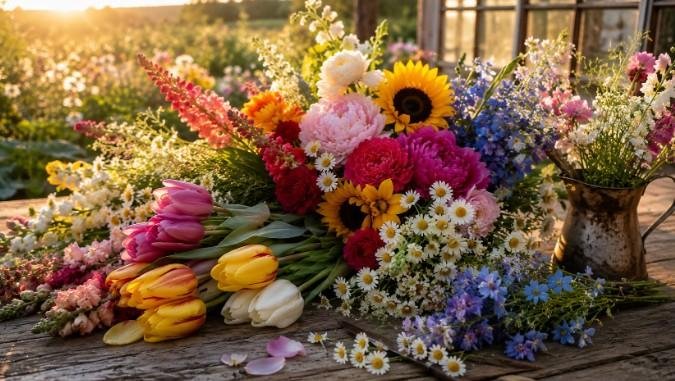
Roses remain one of the most popular bouquet flowers because of their versatility and timeless beauty. Available in countless colors, they symbolize love, appreciation, friendship, and celebration.
Their sturdy stems and long vase life make them suitable for weddings, anniversaries, birthdays, and everyday floral arrangements.
Peonies And Hydrangeas
Peonies are known for their soft, layered petals and luxurious appearance. Their full blooms instantly create a romantic feel that works beautifully in elegant bouquets.
Hydrangeas offer large clusters of flowers that fill empty spaces effortlessly. They provide volume, softness, and visual impact while helping bouquets appear fuller.
Lilies And Ranunculus
Lilies bring elegance and fragrance to floral arrangements. Their star-shaped blooms add drama and sophistication while creating a strong visual focal point.
Ranunculus flowers feature delicate layers of petals that resemble miniature paper roses. They add intricate detail and texture without overwhelming the bouquet.
Filler Flowers That Add Texture
Once the focal flowers are selected, filler flowers help soften the arrangement and create a more natural appearance.
Baby’s Breath
Baby’s breath remains one of the most recognizable filler flowers. Its tiny white blooms create airy volume and complement nearly every bouquet style. These delicate clusters help connect larger flowers while adding a timeless, romantic touch.
Carnations
Carnations are often underestimated despite their durability and versatility. Their ruffled petals provide excellent texture while helping bouquets maintain freshness for longer periods. Available in many colors, carnations work well in both modern and traditional floral arrangements.
Spray Roses
Spray roses feature multiple smaller blooms on a single stem. They bridge the gap between large focal flowers and tiny fillers, creating smooth visual transitions. Their compact size makes bouquets feel fuller without becoming overcrowded.
Line Flowers For Height And Movement
Line flowers add structure and guide the eye through the arrangement.
Delphinium
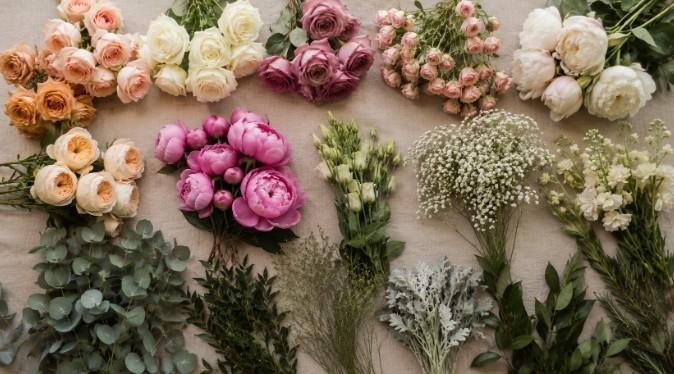
Delphiniums feature tall stems covered with colorful blossoms. Their vertical shape adds elegance and creates a sense of movement throughout the bouquet. These flowers work especially well in larger arrangements that need extra height.
Snapdragons
Snapdragons provide strong architectural lines and visual interest. Their unique shape adds personality while helping bouquets appear professionally designed. Florists often use snapdragons to create clean, structured floral arrangements.
Greenery That Completes The Look
Greenery acts as the framework that supports the flowers and ties the entire bouquet together.
Eucalyptus
Eucalyptus remains one of the most popular bouquet greens today. Its silvery-green leaves provide a modern appearance while adding a fresh, natural fragrance. It pairs beautifully with roses, peonies, hydrangeas, and seasonal flowers.
Italian Ruscus
Italian ruscus features long, graceful stems with glossy leaves. It creates elegant movement and works particularly well in cascading bouquet designs. Its durability also helps arrangements maintain their shape.
Ferns
Ferns introduce texture and a relaxed garden-inspired feel. Their feathery appearance softens formal arrangements while adding natural charm. They are commonly used in rustic, woodland, and bohemian bouquet styles.
How To Choose Types Of Flowers For Bouquets
Creating a bridal bouquet becomes much easier when you follow a simple process.
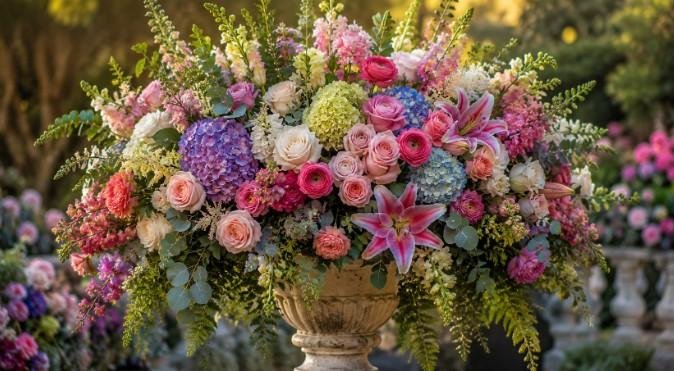
Start by deciding the occasion and overall mood you want to create. Romantic bouquets often include roses and peonies, while cheerful arrangements may feature sunflowers and daisies.
Next, choose one or two focal flowers that establish the bouquet’s main theme. These blooms should be the largest and most visually prominent flowers in the arrangement.
After selecting focal flowers, add filler flowers such as baby’s breath, carnations, or spray roses to create texture and fullness. Then include line flowers like snapdragons or delphiniums to add height and structure.
Finish the arrangement with greenery such as eucalyptus, Italian ruscus, or ferns. This final layer creates balance and helps the bouquet look polished and professionally designed.
Seasonal Flowers Worth Considering
Choosing flowers that are naturally in season often results in fresher bouquets with better longevity.
Spring bouquets frequently feature tulips, peonies, and daffodils. Summer arrangements often showcase sunflowers, dahlias, and zinnias.
Fall bouquets benefit from chrysanthemums and rich seasonal colors, while winter arrangements commonly include amaryllis, roses, and evergreen accents. Seasonal flowers of all four seasons also tend to be more affordable and readily available throughout the year.
Frequently Asked Questions
1. What flowers are typically used in bouquets?
The most common bouquet flowers include roses, lilies, tulips, peonies, hydrangeas, carnations, daisies, orchids, ranunculus, and sunflowers. These flowers offer versatility, beauty, and suitability for many occasions.
2. Do flowers lower cortisol?
Research suggests that flowers may help reduce stress levels and promote positive emotions. Their colors, fragrance, and natural beauty can contribute to a calmer environment and improved overall well-being.
3. Which flower is best for a bouquet?
Roses are often considered the best bouquet flower because they are versatile, long-lasting, widely available, and suitable for romantic, celebratory, and everyday floral arrangements.
4. What are the 20 different flowers?
Popular bouquet flowers include roses, lilies, tulips, peonies, hydrangeas, carnations, orchids, daisies, sunflowers, chrysanthemums, dahlias, ranunculus, snapdragons, delphiniums, stock, zinnias, cosmos, baby’s breath, spray roses, and amaryllis.
Blooming Final Thoughts On Types Of Flowers For Bouquets
Understanding the different types of flowers for bouquets makes it easier to create arrangements that feel balanced, beautiful, and meaningful. By combining focal flowers, filler blooms, line flowers, and greenery, you can design bouquets that look professionally crafted while reflecting your personal style.
Whether you prefer classic roses, romantic peonies, elegant lilies, or modern eucalyptus accents, the right flower combination can transform any bouquet into a memorable floral masterpiece.
