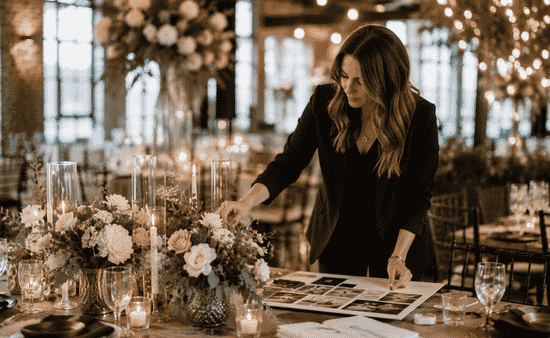
Memorable events rarely happen by accident. After helping plan celebrations and gathering inspiration from countless event setups, one thing stands out every time: knowing how to plan event decorations makes the entire process smoother and far more enjoyable. From choosing a theme to arranging lighting and centerpieces, a clear plan helps create a cohesive space that looks polished, welcoming, and photo-worthy without feeling overwhelming.
Key Takeaways
- Planning starts with a clear theme, budget, and venue strategy.
- Lighting often has a bigger impact than expensive decor pieces.
- Mood boards help keep colors and styling consistent.
- A setup checklist prevents last-minute decorating stress.
- Balanced decor creates a more professional and inviting atmosphere.
Define The Basics First
Strong event styling begins with a clear foundation. Before purchasing decorations or booking rentals, take time to define the core elements of your event. This step makes every decorating decision easier and helps prevent costly mistakes later.
Set A Realistic Budget
Your budget guides every decorating choice. Decide how much you can comfortably spend and divide that amount into major categories such as lighting, florals, table decor, rentals, signage, and backdrops. Having spending limits in place helps keep priorities clear throughout the planning process.
A realistic event budget also helps you determine where to invest more heavily. Many event planners focus on guest-facing areas first because those spaces create the biggest visual impact.
Choose A Theme And Color Palette
A consistent theme creates visual harmony. Select a style that matches the purpose of your event. Popular options include modern, rustic, elegant, boho, minimalist, vintage, tropical, and luxury-inspired themes. Once the theme is chosen, narrow your color palette to two or three main colors.
Neutral backgrounds often work best because they allow accent colors to stand out. Coordinated colors help everything from table settings to floral arrangements feel connected.
Review Venue Guidelines
Every venue comes with unique rules. Before finalizing decoration plans, check whether the venue allows ceiling installations, hanging decor, candles, adhesives, or specialty lighting. Understanding restrictions early prevents last-minute changes and unnecessary expenses.
A venue walkthrough also helps identify natural focal points that can become part of the overall design.
Focus On The Elements Guests Notice
Some decor pieces create more impact than others. Rather than spreading your budget across dozens of small decorations, focus on key visual elements that shape the atmosphere and define the guest experience.
Use Lighting To Create Mood
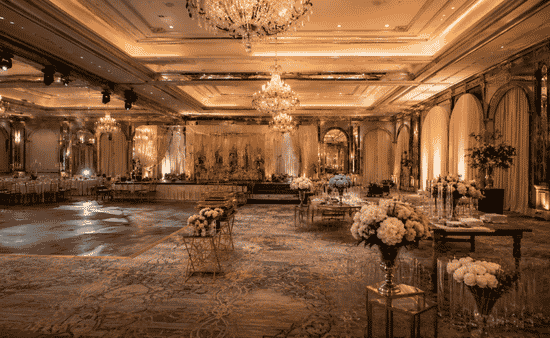
Lighting transforms ordinary spaces. Warm string lights, LED candles, uplighting, chandeliers, and spotlighting can instantly make a venue feel more elegant and inviting. Lighting also adds depth and dimension that photographs beautifully.
Many professional event stylists consider lighting one of the most important design elements because it influences how every other decoration appears.
Elevate Table Settings
Guests spend a large portion of the event at their tables. Well-designed table settings create a polished appearance while enhancing the overall theme. Coordinated linens, runners, napkins, charger plates, candles, and floral centerpieces help tables feel complete without looking overcrowded.
Simple and balanced arrangements often look more sophisticated than overly elaborate designs.
Create Eye-Catching Focal Points
Every event needs standout areas. Backdrops, statement installations, floral displays, welcome signs, and stage decor naturally attract attention. These focal points become gathering spaces and popular photo opportunities for guests. Position focal points where they can be easily seen and appreciated from multiple angles.
Build A Visual Mockup Before Buying
Visual planning helps prevent event decorating challenges. Creating a mockup allows you to see how different colors, textures, furniture pieces, and decorative accents work together before spending money.
Create A Mood Board
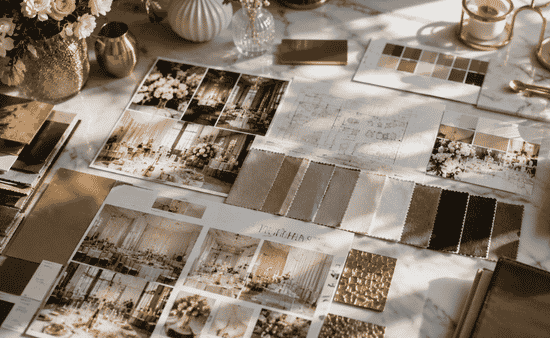
A mood board brings ideas together. Collect inspiration images from event blogs, social media platforms, magazines, and design websites. Combine color palettes, floral ideas, lighting concepts, and styling elements into one organized visual reference.
Seeing everything in one place makes it easier to identify what works and what feels out of place.
Test Your Design Direction
Mockups provide clarity. Many planners use design tools to arrange inspiration images and experiment with layouts. This process helps ensure that decorative elements complement each other and support the overall event vision. Visual planning also makes communicating ideas with vendors much easier.
Refine Before You Purchase
Small adjustments save money. Review your mood board carefully before ordering rentals or supplies. Removing unnecessary items often creates a cleaner design while helping you stay within budget. A thoughtful editing process leads to stronger and more cohesive event styling.
Stay Organized With A Decor Checklist
Beautiful decor requires good organization. One of the most overlooked aspects of how to plan event decorations is preparation. A detailed checklist keeps everything on track and minimizes event-day stress. It also supports how to decorate an event on a budget, helping planners prioritize essential items, avoid unnecessary purchases, and create an attractive atmosphere without overspending.
Organize Decorations By Category
Sorting supplies improves efficiency. Group items such as linens, centerpieces, signage, candles, florals, and tableware into clearly labeled containers. Organized storage makes setup faster and reduces the chance of forgetting important pieces.
Having everything categorized also helps team members locate items quickly during installation.
Prepare Decor In Advance
Pre-assembly saves valuable time. Whenever possible, assemble centerpieces, balloon installations, signage displays, and decorative arrangements before event day. Completing these tasks early allows you to focus on styling rather than construction during setup.
Advanced preparation also reduces pressure if unexpected challenges arise.
Follow A Setup Timeline
Timing matters just as much as design. Start with large items such as furniture, drapery, and backdrops. Once major elements are positioned, move on to table decor, floral arrangements, and finishing touches.
A structured timeline ensures every detail receives attention without creating unnecessary stress.
How To Plan Event Decorations Step By Step
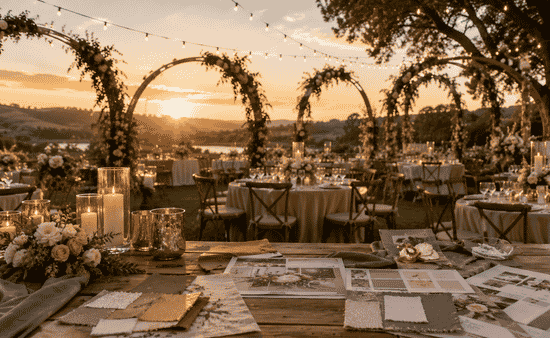
Learning how to plan event decorations becomes much easier when broken into manageable stages.
Start by establishing your budget, theme, and venue requirements. Next, select a color palette that supports the event style and identify high-impact decor elements such as lighting, table settings, and focal points. Create a mood board to visualize the design before making purchases.
After finalizing your concept, organize decor supplies into categories and prepare as much as possible ahead of time. Follow a setup timeline that prioritizes larger installations first and smaller styling details last. This simple approach helps create an event space that feels cohesive, functional, and visually impressive.
Frequently Asked Questions
1. What Is The 3/4/5 Rule In Decoration?
The 3/4/5 rule suggests grouping decorative objects in sets of three, four, or five. These arrangements create visual balance, make displays look more natural, and help focal areas feel professionally styled.
2. What Are The 5 C’s Of Event Planning?
The 5 C’s are Concept, Coordination, Control, Culmination, and Closeout. They provide a structured framework that helps event planners manage ideas, logistics, execution, and post-event evaluation successfully.
3. What Is The 3-5-7 Rule In Decorating?
The 3-5-7 decorating rule recommends arranging accessories, candles, flowers, or decorative objects in odd-number groupings. These combinations naturally attract attention and create more visually appealing displays.
4. What Is The 70/30 Rule In Decorating?
The 70/30 rule suggests using one dominant design style, color, or material for seventy percent of the space and a contrasting element for the remaining thirty percent to create balance.
Your Event, Your Style, Your Success
Mastering how to plan event decorations is not about buying the most expensive decor. It is about creating a thoughtful design that reflects your vision while making guests feel welcomed and inspired.
By defining your budget, choosing a cohesive theme, focusing on impactful decor elements, building a visual plan, and staying organized with a checklist, you can transform any venue into a beautiful and memorable event space that leaves a lasting impression.
