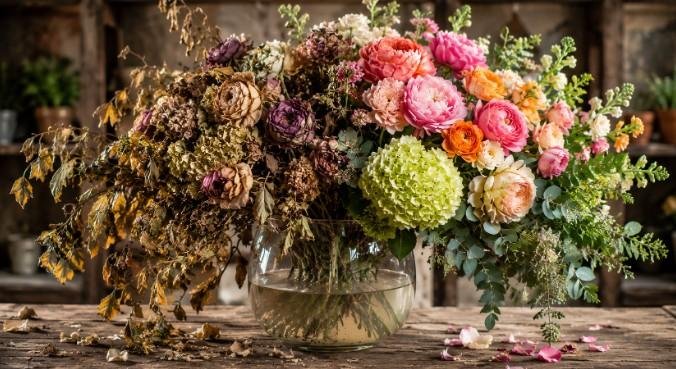
Fresh flowers can instantly brighten a room, celebrate a special moment, or make a thoughtful gift feel even more meaningful. After spending time creating bouquets for home décor and events, one lesson becomes clear: common flower arrangement mistakes can make even the most beautiful blooms look unbalanced or wilt far too quickly.
The good news is that a few simple changes can transform an ordinary arrangement into one that looks professionally designed and stays fresh longer.
Key Takeaways
- Choosing the right vase creates better balance and support.
- Proper stem preparation helps flowers absorb water efficiently.
- Negative space makes arrangements look elegant and natural.
- Clean water and floral food extend bouquet lifespan.
- Balanced colors and varied stem heights improve visual appeal.
Stem And Flower Prep Mistakes
Proper preparation is the foundation of every successful floral arrangement. Skipping a few basic steps can significantly reduce the lifespan of fresh flowers.
Skipping The Fresh Cut
Many people place flowers directly into water after bringing them home. Unfortunately, stems begin sealing themselves shortly after being cut, making it harder for blooms to absorb water efficiently.
For the best results, trim one to two inches from each stem at a 45-degree angle before arranging. This fresh cut improves hydration and helps flowers remain vibrant for a longer period.
Submerging Leaves In Water
Leaves sitting below the waterline may seem harmless, but they quickly become a source of bacterial growth. As the foliage breaks down, the water becomes cloudy and unhealthy for the flowers.
Removing all leaves that would sit underwater keeps the arrangement cleaner and significantly improves flower longevity.
Cutting Every Stem The Same Length
Uniform stem lengths often create a stiff, artificial appearance. Instead of showcasing the beauty of each bloom, the bouquet may resemble a flat dome with little movement.
Varying stem heights creates natural layers, depth, and dimension. This simple technique gives arrangements a more organic and professional look.
Forgetting Floral Food
Fresh flowers need nourishment just like plants in a garden. Floral food contains nutrients that encourage blooms to open while helping control bacterial growth in the water.
Adding flower food according to package directions can noticeably improve the appearance and lifespan of your bouquet.
Vase And Proportion Problems
Even the most stunning flowers can look awkward when paired with the wrong container. Vase selection plays a major role in floral design success.
Using The Wrong Vase Size
A common guideline is that flowers should be roughly one and a half to two times the height of the vase. Containers that are too large often cause stems to spread outward and lose structure.
On the other hand, a vase that is too small may make the arrangement appear crowded or unstable. Choosing the correct size creates balance and visual harmony.
Reusing A Dirty Vase
A vase may appear clean while still containing invisible bacteria from previous arrangements. These bacteria can quickly affect fresh stems and shorten flower life.
Before creating a new arrangement, wash the vase thoroughly with warm water and soap. A clean container provides a healthier environment for fresh blooms.
Ignoring Overall Proportion
Floral design relies heavily on proportion. Large blooms in tiny containers can look overwhelming, while small flowers in oversized vessels may appear lost.
Paying attention to scale ensures the flowers and vase complement one another rather than compete for attention.
Design Choices That Hurt The Look
Beautiful floral arrangements are about more than flowers alone. Design decisions play an important role in the final appearance.
Overstuffing The Arrangement
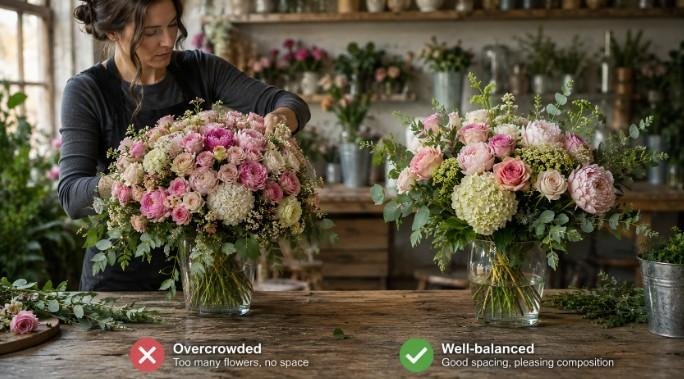
One of the most common flower arrangement mistakes is trying to use too many flowers in a single vase. While abundance can be attractive, overcrowding often prevents blooms from opening fully.
Flowers need room to breathe. Allowing space between stems creates movement, elegance, and a more refined design.
Ignoring Negative Space
Negative space refers to the intentional gaps between flowers and foliage. These spaces guide the eye through the arrangement and prevent visual clutter.
Without negative space, bouquets often look heavy and chaotic. Strategic spacing creates a cleaner and more sophisticated appearance.
Forgetting The Viewing Angle
An arrangement placed in as flower centerpieces ideas home on dining table should look attractive from every direction. Many beginners design only from the front and overlook the remaining sides.
Rotating the arrangement while building it helps maintain balance and ensures every angle looks complete.
Mixing Conflicting Floral Styles
Not every flower naturally complements another. Combining delicate meadow flowers with highly structured blooms can create a design that feels disconnected.
Selecting flowers with a similar design style creates a more cohesive and intentional arrangement.
Using Too Many Colors
Bright colors can make flowers stand out, but using every favorite shade often creates visual confusion. Instead, choose three to five complementary or related colors. A coordinated color palette creates harmony while still allowing individual flowers to shine.
Care Mistakes That Shorten Flower Life
Even expertly arranged flowers need proper care after placement. Neglecting maintenance can quickly reduce their freshness.
Letting Water Sit Too Long
Stagnant water becomes a breeding ground for bacteria that block stems from absorbing moisture. This often leads to drooping flowers and unpleasant odors.
Replacing the water every one to two days helps maintain freshness and supports healthy blooms.
Forgetting To Clean The Vase Again
Changing the water alone is not always enough. Residue can build up inside the vase and encourage bacterial growth over time.
A quick rinse and gentle cleaning during water changes helps create a healthier environment for flowers.
Placing Flowers In The Wrong Location
Fresh flowers prefer cool, stable conditions. Direct sunlight, heating vents, strong drafts, and kitchen appliances can accelerate wilting.
Keeping arrangements away from heat sources helps flowers maintain their beauty for longer periods.
Avoid Common Flower Arrangement Mistakes Like A Pro
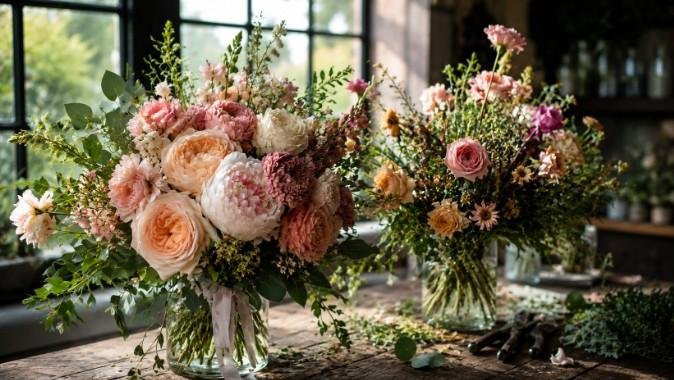
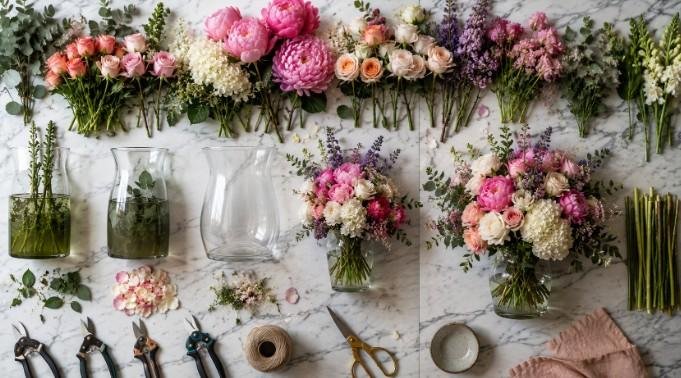
Knowing common flower arrangement mistakes is only the first step. Applying the right techniques consistently makes the biggest difference. Start by cleaning the vase thoroughly and preparing every stem with a fresh angled cut. Remove any foliage that would sit below the waterline before adding floral food to the vase.
Next, select a container that suits the size of the flowers and vary stem lengths to create natural layers. Build the arrangement gradually, beginning with greenery, followed by focal flowers, and then supporting blooms. Leave enough negative space between stems so each flower remains visible and the design feels balanced.
Finally, rotate the arrangement frequently to check every angle, maintain a coordinated color palette, and refresh the water every one to two days. These simple steps help create bouquets that look professionally designed while staying fresh and vibrant much longer.
Frequently Asked Questions
1. What Is The 3:5:8 Rule For Flowers?
The 3:5:8 rule is a floral design guideline that uses proportions between focal flowers, secondary blooms, and filler elements to create a balanced arrangement with pleasing visual flow and structure.
2. What Are Some Common Arrangement Mistakes?
Common flower arrangement mistakes include skipping stem preparation, choosing the wrong vase size, overcrowding blooms, ignoring negative space, using stagnant water, and forgetting to remove leaves below the waterline.
3. What Are Some Common Mistakes To Avoid When Drawing A Bouquet Of Flowers?
Avoid drawing flowers at identical heights, creating unrealistic stem placement, neglecting depth, overcrowding blooms, and forgetting a focal point. These mistakes can make floral illustrations appear flat and less natural.
4. What Flowers Don’t Go Together In A Bouquet?
Daffodils can release sap that affects other flowers if not conditioned separately first. Flowers with dramatically different styles, sizes, or care requirements may also create an unbalanced bouquet.
Bloom Smarter And Skip These Common Mistakes
Creating stunning bouquets does not require professional training. Most floral design problems come from a handful of common flower arrangement mistakes that are easy to fix once you know what to look for.
By preparing stems correctly, choosing the right vase, embracing negative space, maintaining clean water, and building balanced designs, you can create beautiful arrangements that last longer and bring more joy to any space.
