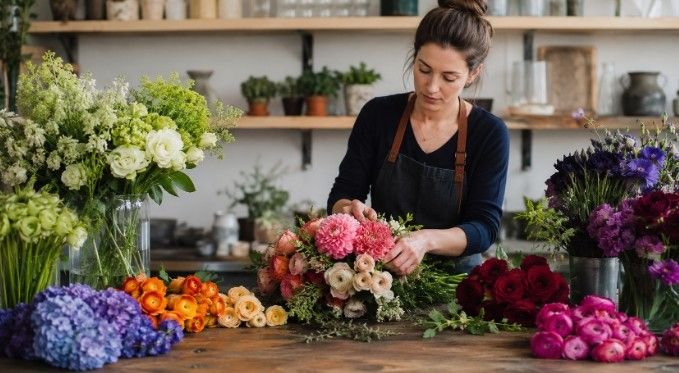
Beautiful flower arrangements rarely happen by accident. After spending time experimenting with different blooms and color combinations, one lesson becomes obvious: floral design color theory is the secret behind bouquets that look balanced, professional, and memorable. Whether you’re designing wedding flowers, creating a seasonal centerpiece, or arranging a simple bouquet for your home, understanding color relationships can completely transform the final result.
Key Takeaways
- Floral design color theory helps create balanced and visually appealing arrangements.
- The color wheel guides color harmony and flower selection.
- Temperature, tone, and saturation affect bouquet mood.
- The 60-30-10 rule makes multi-color arrangements easier to balance.
- Thoughtful color combinations elevate every floral design.
Understanding The Floral Color Wheel
The color wheel serves as the foundation of floral color planning.
Primary, Secondary, And Tertiary Colors
Primary colors include red, blue, and yellow. These colors form the basis of every palette. Secondary colors are created by mixing primary colors, while tertiary colors sit between primary and secondary shades on the wheel.
Understanding these categories helps florists identify natural color relationships. It also simplifies the process of building cohesive bouquets for weddings, events, and everyday arrangements.
How Florists Use The Color Wheel
Professional florists often begin with a dominant color before selecting supporting shades. The wheel helps identify complementary, analogous, and triadic combinations that naturally work together.
This approach removes guesswork and creates arrangements that feel intentional rather than random. It is one of the simplest ways to improve floral design results.
Exploring Essential Color Harmonies
Color harmonies are the backbone of floral design color theory.
Monochromatic Color Harmony
Monochromatic arrangements use one hue with different shades, tints, and tones. A bouquet featuring burgundy roses, bright pink carnations, and blush spray roses creates depth while maintaining visual consistency.
Because the palette is limited, texture becomes especially important. Mixing smooth petals, fluffy blooms, and delicate fillers adds dimension without introducing additional colors.
Analogous Color Harmony
Analogous color schemes combine hues that sit next to each other on the color wheel. Red, orange, and yellow flowers create a naturally blended appearance that feels warm and inviting.
These arrangements are often seen in seasonal centerpieces because they appear effortless and harmonious. The gradual color transition creates visual flow throughout the design.
Complementary Color Harmony
Complementary colors sit directly opposite each other on the wheel. Purple flowers paired with yellow blooms or blue flowers combined with orange accents create striking visual contrast.
This harmony works well for statement bouquets because the colors naturally enhance each other’s intensity. The result is bold without appearing chaotic.
Triadic Color Harmony
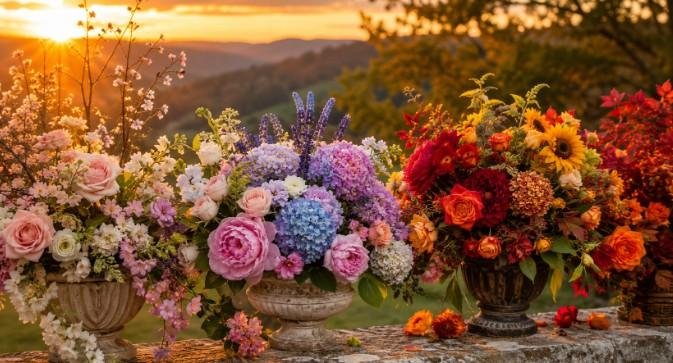
Triadic designs use three evenly spaced colors from the wheel. Red, blue, and yellow combinations create energetic arrangements like using flowers for bridal bouquet while maintaining balance.
Professional florists often use one dominant color and allow the remaining two colors to act as supporting accents. This prevents the arrangement from becoming visually overwhelming.
Temperature And Tone In Floral Design
Color relationships are important, but temperature and tone also influence bouquet success.
Warm Versus Cool Colors
Warm colors such as red, orange, and yellow create excitement, energy, and warmth. Cool colors like blue, green, and purple promote calmness and sophistication.
Most successful floral arrangements favor one temperature family. Mixing too many warm and cool colors without intention can create visual confusion rather than harmony.
Understanding Tints
A tint is created by adding white to a color. Pink flowers, for example, are tints of red and often create softer, more romantic arrangements.
Tints are frequently used in weddings because they introduce color while maintaining an elegant appearance.
Working With Tones And Shades
Tones are created by adding gray to a color, reducing intensity and creating a softer look. Shades are created by adding black, resulting in richer and deeper colors.
Using a combination of tints, tones, and shades within a palette adds sophistication and depth without requiring additional hues.
Practical Floral Design Color Theory Tips
Applying color theory becomes easier when using proven floral arrangement techniques.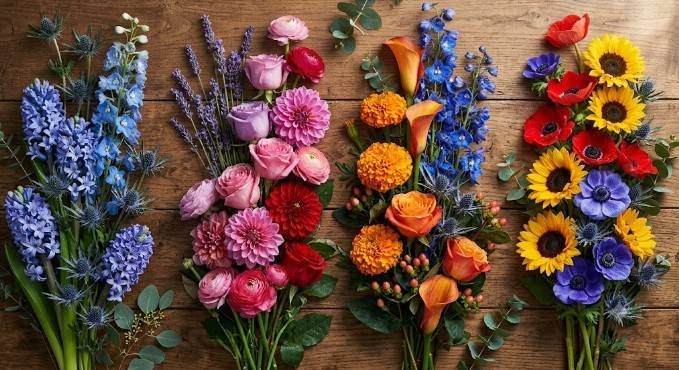
Follow The 60-30-10 Rule
Begin by assigning 60% of the arrangement to a dominant color. Use 30% for a supporting secondary color and reserve 10% for an accent shade that draws attention. This simple formula prevents color overload while creating a balanced and professional appearance.
Use Greenery As A Neutral
Foliage plays an important role in floral design. Greenery creates breathing room between flowers and helps soften strong color transitions.
Silver-toned foliage, dusty miller, eucalyptus, and chartreuse greens can also act as visual bridges between contrasting colors.
Let Texture Support Color
Texture becomes especially valuable in monochromatic arrangements. Combining velvety roses, airy astilbe, and textured foliage creates visual interest without relying on additional colors. Different textures help arrangements feel dynamic while maintaining a cohesive palette.
Floral Design Color Theory In Real Life
Understanding theory becomes more meaningful when applied to everyday floral projects.
Wedding Flower Palettes
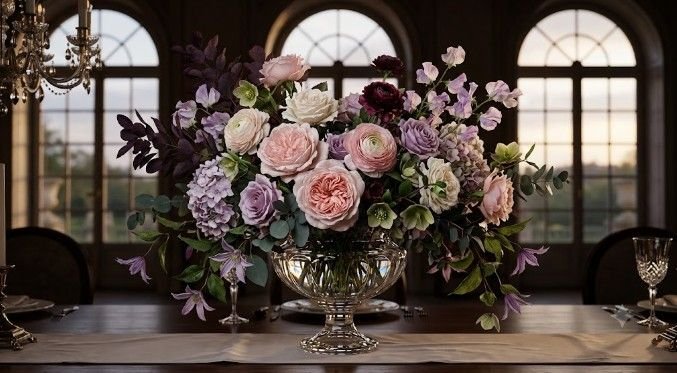
Wedding florists often start with a mood or theme before selecting flowers. Romantic celebrations may feature blush, ivory, and lavender, while modern weddings often incorporate bold complementary palettes.
Using floral design color theory ensures bouquets, centerpieces, and ceremony flowers feel connected throughout the event.
Seasonal Arrangements
Spring designs often feature soft pastels. Summer embraces bright and energetic combinations. Autumn highlights warm oranges, burgundies, and golds, while winter favors crisp whites and jewel tones. Matching seasonal colors creates arrangements that feel natural and timely.
Event And Corporate Designs
Professional events typically benefit from controlled color palettes. Neutral flowers paired with one accent color create elegant arrangements that complement rather than overpower the venue.
Frequently Asked Questions
1. What is the 3-5-8 rule for florists?
The 3-5-8 rule suggests using three focal flowers, five secondary flowers, and eight filler or greenery stems. This formula helps create balanced floral arrangements with proper proportion and visual harmony.
2. What are the 7 principles of floral design?
The seven principles of floral design are balance, proportion, rhythm, contrast, dominance, scale, and harmony. Together, they help florists create arrangements that feel visually appealing and structurally cohesive.
3. What are the color schemes for floral design?
Common floral color schemes include monochromatic, analogous, complementary, triadic, and split-complementary harmonies. Each scheme creates a different mood and visual effect within an arrangement.
4. What are the four F’s of floral design?
The four F’s of floral design are flowers, foliage, form, and function. These elements work together to create arrangements that are beautiful, practical, and appropriate for the occasion.
Let Your Floral Design Color Theory Bloom
Mastering floral design color theory is one of the easiest ways to improve flower arranging skills. By understanding color harmonies, temperature, tone, texture, and practical design techniques, anyone can create bouquets that look polished and purposeful.
Whether you’re designing wedding flowers, seasonal centerpieces, or everyday arrangements, applying floral design color theory helps transform simple blooms into memorable floral creations that leave a lasting impression.
