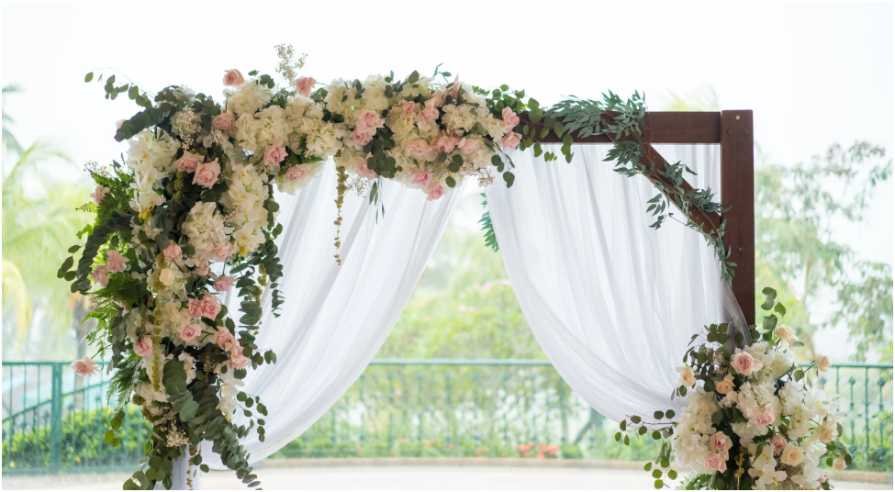
Flowers can make a wedding feel fresh, personal, and expensive. They can also wilt before cocktail hour if they fight the weather. When I explain how to choose wedding flowers by season, I always start with one rule: work with nature first, then style the look around it.
Seasonal wedding flowers are not just pretty. They are usually fresher, easier for florists to source, better suited to the climate, and often more budget-friendly than rare imported blooms. The goal is not to copy a Pinterest board. The goal is to create flowers that look alive from the first photo to the last dance.
Why Seasonal Wedding Flowers Usually Look Better
Wedding flowers perform best when their natural growing season matches the wedding date. A spring peony, a summer zinnia, an autumn dahlia, and a winter amaryllis each has a moment when it looks strongest.
Seasonal flowers also help your florist build better arrangements. Stems are often sturdier, petals look fuller, and replacements are easier to find if weather affects local supply. That flexibility matters because flower farming is still farming. Heat waves, storms, frost, and heavy rain can change what is available in a single week.
I never suggest giving a florist a rigid list of must-have blooms. A smarter brief includes color, shape, mood, and budget. For example, say “soft blush, airy, romantic, and garden-style” instead of “only pink peonies.” That gives your florist room to use garden roses, ranunculus, tulips, or sweet peas if peonies are limited.
My Season Plus Setting Rule Before Picking Flowers
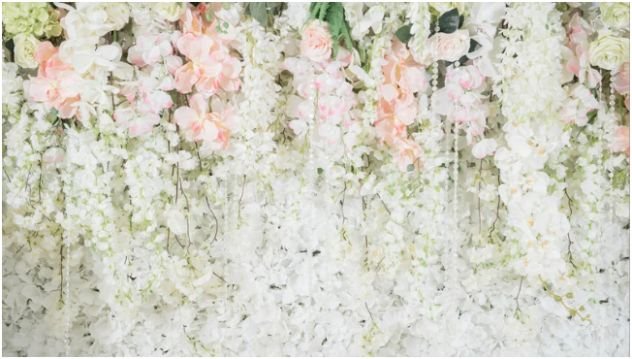
The biggest mistake I see is choosing flowers by month alone. A June wedding in coastal Maine does not feel like a June wedding in Phoenix. A ballroom wedding does not challenge flowers like a full-sun garden ceremony.
That is why I use a season plus setting rule. First, choose flowers that fit the season. Then check the location, venue temperature, ceremony time, and water access.
For hot outdoor weddings, I avoid fragile stems in exposed installations. I keep thirsty flowers like hydrangeas in water as long as possible. For winter weddings, I use fewer delicate blooms and more structure, such as evergreens, branches, berries, and sculptural focal flowers.
Spring Wedding Flowers: Soft, Lush, and Romantic
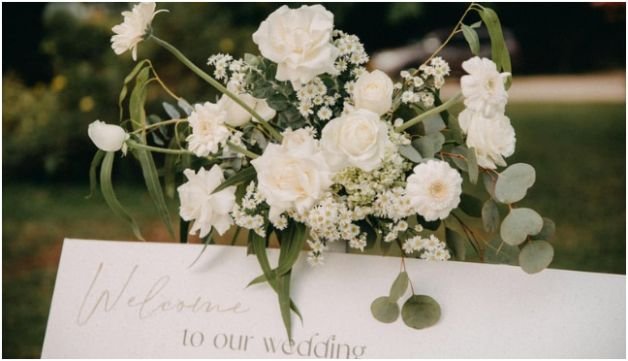
Spring is the season for delicate petals, fragrance, and soft movement. It works beautifully for garden weddings, chapel ceremonies, and romantic ballroom receptions.
Best Spring Blooms
My favorite spring focal flowers include peonies, garden roses, and tulips. These blooms give arrangements that soft, full, high-romance look many couples want.
For texture, I like sweet peas, ranunculus, daffodils, and lily of the valley. Flowering branches, such as cherry blossoms, can add height to ceremony arches and reception entrances without making everything feel heavy.
Spring Color Palette and Design Tip
Spring looks best in blush pink, soft lavender, butter yellow, cream, and fresh mint green. Keep the design airy. Spring flowers already have a soft charm, so they do not need heavy styling.
For bouquets, I would use one or two lush focal blooms, then surround them with smaller fluttery flowers. For centerpieces, I would add flowering branches to create height without blocking guest conversations.
Summer Wedding Flowers: Bright, Hardy, and Heat-Aware
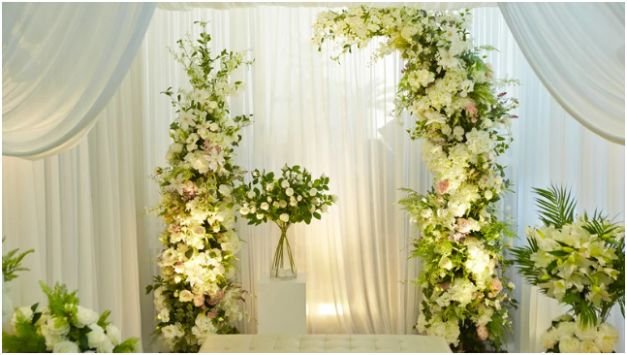
Summer flowers need more than color. They need stamina. If your ceremony is outdoors, ask your florist what can handle sun, humidity, wind, and delayed photography.
Best Summer Blooms
Strong summer focal flowers include sunflowers, dahlias, and hydrangeas. Hydrangeas look lush, but they need a steady water source. I would not leave them out of water for long portraits in direct sun.
For texture and filler, I like lavender, chamomile, scabiosa, cosmos, and zinnias. Marigolds also work well for bold outdoor designs because they bring color and heat tolerance.
Summer Color Palette and Design Tip
Summer can handle coral, orange, lemon, fuchsia, wildflower mixes, and jewel tones. This is the season to be playful.
My best summer tip is simple: plan the flower timeline. Bouquets should arrive in water-filled vases and stay there until photos begin. Ceremony flowers should be installed as close to the event time as possible. Shade matters more than most couples think.
Autumn Wedding Flowers: Moody, Textured, and Organic
Autumn flowers feel rich, layered, and dramatic. This season is perfect for barn weddings, vineyard weddings, estate venues, and candlelit receptions.
Best Autumn Blooms
For fall focal flowers, I like modern chrysanthemums, Cafe au Lait dahlias, and deep-hued roses. These flowers bring shape, depth, and a polished seasonal feel.
Texture matters in autumn. Amaranthus adds trailing movement. Celosia adds velvet-like detail. Asters and sedum bring softness without looking too spring-like.
Autumn Color Palette and Design Tip
Fall palettes shine in burgundy, rust, burnt orange, mustard yellow, mauve, and olive green. I also like adding dried bunny tails, pampas grass, eucalyptus, seed pods, and berries.
This is the best season for a farm-to-vase look. Instead of forcing delicate flowers into fall, lean into dried textures and earthy shapes. The result feels intentional, not overdecorated.
Winter Wedding Flowers: Elegant, Sculptural, and Intentional
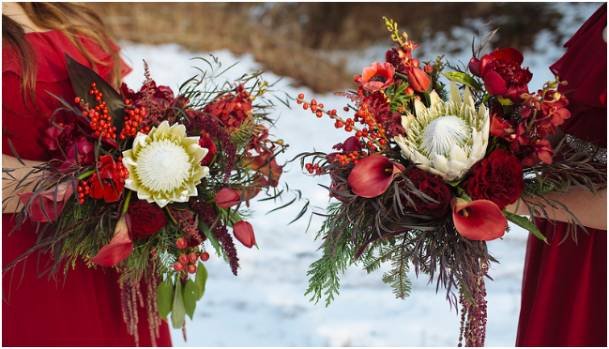
Winter has fewer natural bloom options, but that can be a design advantage. The best winter florals feel clean, chic, and confident.
Best Winter Blooms
My go-to winter focal flowers are amaryllis, calla lilies, and hellebores. Hellebores are often called winter roses because they bring softness when many other flowers are unavailable.
For texture, I like anemones, white ranunculus, and camellias. Evergreens, cedar, pine, holly berries, pinecones, and metallic-tinted foliage can fill centerpieces and ceremony backdrops without looking cheap.
Winter Color Palette and Design Tip
Winter works beautifully in all-white with dark greenery, velvet red, emerald green, midnight navy, and frosted silver.
Do not overcrowd winter arrangements. Space, shape, and contrast make them feel expensive. A minimalist winter bouquet with calla lilies, dark foliage, and ribbon can look more elegant than a crowded mix of imported flowers.
How to Spend Your Wedding Flower Budget Wisely
If the budget is tight, spend first on the flowers people will see up close. I always prioritize the bridal bouquet, bridesmaid bouquets, boutonnières, and ceremony focal points.
The bridal bouquet appears in portraits, detail shots, walking-down-the-aisle photos, and reception images. Bridesmaid bouquets can also be reused as head table decor after the ceremony. That one move stretches the budget without making the reception look bare.
For arrangements, use the 3-5-8 professional design formula as a planning shortcut. Start with three focal flowers for impact, five greenery stems for structure, and eight filler flowers for volume. This keeps arrangements balanced without making them feel random.
A Real-World Seasonal Flower Example
Say I am planning a July outdoor wedding in Nashville. The couple wants a romantic pastel look with hydrangeas, peonies, and soft greenery.
I would adjust the plan. Peonies are a spring favorite, so I would swap them for garden roses or dahlias. I would use hydrangeas only where they can stay in water, such as centerpieces or shaded urns. For bouquets, I would add zinnias, cosmos, scabiosa, and lavender for movement and heat-friendly texture.
The final palette could be soft peach, cream, pale yellow, and fresh green. The design still feels romantic, but it fits summer weather. That is the real answer to how to choose wedding flowers by season: protect the look by respecting the conditions.
FAQs About Seasonal Wedding Flowers
1. What is the easiest way to learn how to choose wedding flowers by season?
Start with your wedding month, then ask your florist which local blooms match your color palette and venue conditions.
2. Are seasonal wedding flowers always cheaper?
Not always, but they often offer better value because they are easier to source and usually fresher.
3. What flowers should I avoid for a hot outdoor wedding?
Avoid fragile or thirsty flowers sitting out of water, especially hydrangeas, unless your florist can keep them hydrated.
4. Can I still use my favorite flower if it is out of season?
Yes, but expect higher costs, limited quality, or a smart substitute that gives the same shape and color.
The Floral Mic Drop
Seasonal flowers are not a backup plan. They are the smartest way to make wedding flowers look fresher, last longer, and feel connected to the day.
If I had to give one final tip, it would be this: choose the mood, not the exact stem. Tell your florist the feeling you want, the colors you love, and where the flowers must perform. Then let the season do some of the heavy lifting. Your wedding flowers will look less forced, more expensive, and far more memorable.
