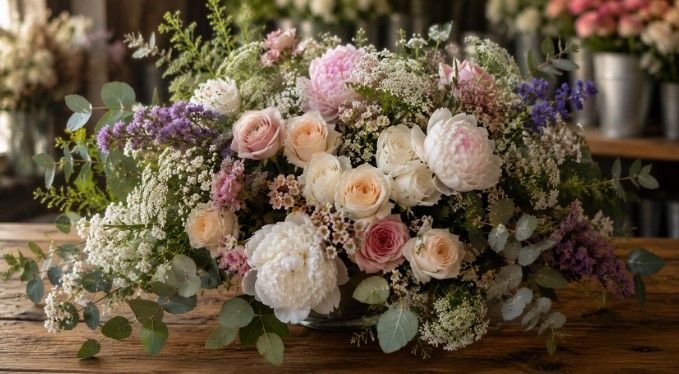
A bouquet never feels truly complete until those finishing touches bring everything together. After arranging flowers for different occasions, one thing becomes clear: filler flowers for bouquets can completely transform the look and feel of an arrangement.
These supporting blooms add softness, texture, movement, and charm while helping focal flowers stand out. Whether you’re creating a wedding bouquet, a gift arrangement, or a simple centerpiece, the right fillers make all the difference.
Key Takeaways
- Filler flowers add volume, texture, and movement to bouquets.
- They help create fuller arrangements while reducing floral costs.
- Baby’s breath, Queen Anne’s Lace, and astilbe provide softness.
- Statice, yarrow, and trachelium add structure and depth.
- Herbs and seasonal greenery offer unique design possibilities.
Filler Flowers Are A Floral Game-Changer
Tiny flowers often do the biggest jobs in a bouquet. Many people focus on roses, peonies, or lilies, but filler flowers quietly create the balance that makes arrangements look professionally designed. They fill empty spaces, soften harsh lines, and connect focal blooms with greenery.
Filler flowers also help bouquets look fuller without significantly increasing costs. Florists frequently use them to add volume, texture, and visual interest while maintaining a natural appearance. This simple addition can instantly elevate even the most basic arrangement.
What Makes Filler Flowers So Important?
Understanding their role helps you choose the right flowers for every bouquet style.
Adding Volume Without Overcrowding
Filler flowers create fullness without making arrangements feel heavy. Their smaller blooms spread throughout the bouquet, helping it appear larger and more balanced.
This makes them ideal for wedding bouquets, hand-tied arrangements, and floral centerpieces where visual impact matters.
Bringing Texture And Movement
Different fillers introduce unique textures that keep bouquets from looking flat. Some appear airy and delicate, while others add structure and dimension.
This variety creates movement throughout the arrangement, making the bouquet look more natural and visually appealing.
Saving Money While Enhancing Design
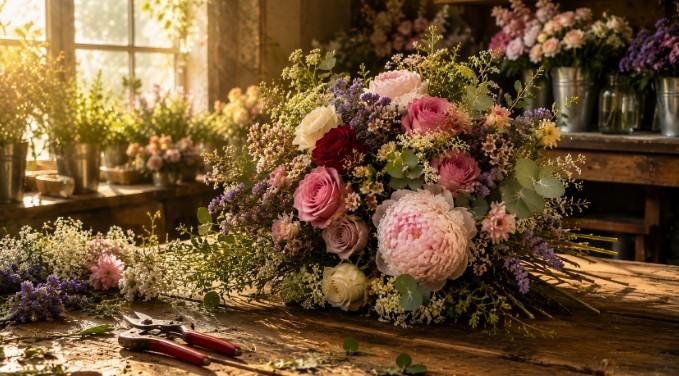
Filler flowers help maximize floral budgets by filling gaps between premium blooms. This allows florists and flower lovers to create lush designs without relying entirely on expensive focal flowers.
Airy And Delicate Filler Flowers
These blooms create softness and romantic charm.
Baby’s Breath (Gypsophila)
Baby’s breath remains one of the most recognizable filler flowers for bouquets. Its cloud-like clusters of tiny blooms create a soft and elegant effect that works beautifully in wedding flowers and romantic arrangements.
Its versatility allows it to pair effortlessly with roses, tulips, carnations, and peonies.
Queen Anne’s Lace
Queen Anne’s Lace adds a light, lace-like appearance that complements garden-style bouquets. Its delicate structure brings a wildflower feel while maintaining sophistication. Florists often use it to create airy designs with a natural look.
Astilbe
Astilbe features feathery plumes that add texture and movement. Available in soft pink, white, and blush tones, it works particularly well in spring and summer bouquets. Its gentle appearance enhances both modern and classic floral designs.
Texture And Structure Favorites
These filler flowers add depth and visual contrast.
Statice
Statice offers clusters of colorful blooms that maintain their beauty for extended periods. It is commonly used in both fresh and dried flower arrangements. Its rich texture helps create contrast alongside smoother focal flowers.
Yarrow
Yarrow features dense flower heads that add structure and character. Available in multiple shades, it blends beautifully into rustic and seasonal bouquets. Its long vase life makes it a practical choice for long-lasting arrangements.
Trachelium
Trachelium produces clusters of tiny star-shaped blooms that create fullness and texture. It works especially well in large bouquets where additional volume is needed. Its subtle appearance helps support focal flowers without overpowering them.
Woody And Seasonal Fillers
These fillers bring natural beauty and seasonal character.
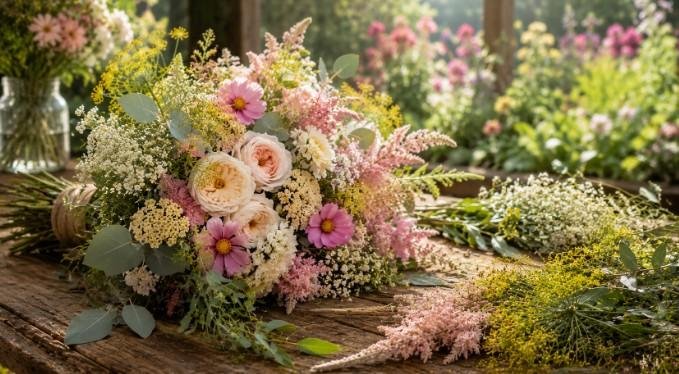
Waxflower
Waxflower is loved for its small blooms, woody stems, and delicate fragrance. It adds texture and softness while helping arrangements feel more organic. Its excellent vase life makes it a favorite among professional florists.
Eucalyptus
Eucalyptus is often used as both greenery and filler. Its silvery-green leaves introduce texture, shape, and freshness to bouquets. It pairs beautifully with roses, peonies, ranunculus, and seasonal flowers.
Seasonal Branches And Foliage
Small flowering branches and seasonal greenery can function as fillers while adding a unique touch. They bring natural movement and help arrangements reflect the current season. These additions work particularly well in rustic and garden-inspired bouquets.
Unexpected Herbal Fillers
Herbs can add beauty, texture, and fragrance to floral designs.
Basil Going To Seed
Flowering basil plant creates a charming and slightly whimsical appearance. The tiny blossoms add texture while introducing a subtle herbal scent. It pairs surprisingly well with cottage-style bouquets.
Dill
Dill flowers provide delicate yellow blooms and an airy structure. Their light appearance makes them perfect for wildflower arrangements. They add movement while maintaining a soft and natural look.
Apple Mint
Apple mint introduces fresh greenery and subtle fragrance. Its textured leaves help soften bouquets and create visual balance. Many florists use it in seasonal and garden-style designs.
Creating Stunning Arrangements At Home
Building beautiful bouquets becomes easier with a simple process.
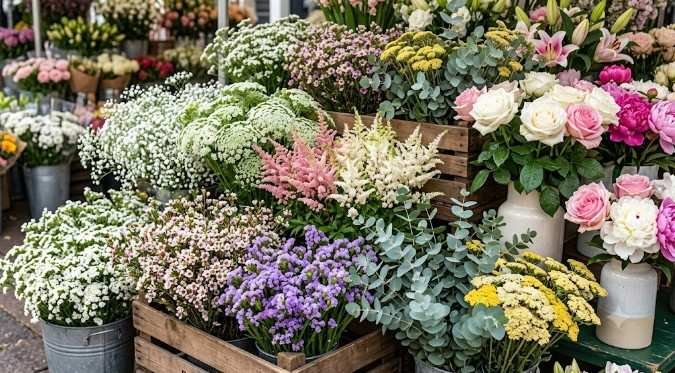
Start With Focal Flowers
Choose one or two main flowers that will serve as the centerpiece of your bouquet. Roses, lilies, peonies, and sunflowers all work well as focal blooms. Arrange these flowers first to establish shape and visual balance.
Add Greenery For Structure
Introduce eucalyptus or seasonal fall foliage around the focal flowers. This creates a framework that helps support the rest of the arrangement. Greenery also adds depth and prevents bouquets from looking crowded.
Use Filler Flowers For Bouquets
Once the foundation is established, place filler flowers for bouquets between focal blooms and greenery. Distribute them evenly to create texture, volume, and movement throughout the arrangement. Rotate the bouquet while arranging to ensure it looks balanced from every angle.
Matching Fillers With Popular Flowers
Thoughtful pairings create more cohesive bouquet designs.
Roses pair beautifully with baby’s breath, waxflower, and eucalyptus because these fillers highlight their romantic appearance. Peonies look stunning with astilbe and Queen Anne’s Lace, which enhance their soft texture.
Sunflowers work exceptionally well with yarrow, dill flowers, and seasonal greenery. These combinations create cheerful arrangements that feel natural and full of character.
Frequently Asked Questions
1. What Flowers Are Good As Fillers?
Some of the best filler flowers for bouquets include baby’s breath, statice, waxflower, Queen Anne’s Lace, astilbe, yarrow, trachelium, and eucalyptus. These flowers add texture, volume, and visual balance while complementing focal blooms.
2. What Do You Call The Filler Flowers In A Bouquet?
Filler flowers are commonly called accent flowers or secondary flowers. Their purpose is to support focal flowers by filling gaps, creating texture, and helping bouquets appear fuller and more professionally arranged.
3. What Is The 3 5 8 Rule For Bouquets?
The 3-5-8 rule is a simple bouquet design guideline that uses three focal flowers, five filler flowers, and eight stems of greenery. This combination helps create balance, proportion, and visual harmony in arrangements.
4. What Is An Example Of A Filler Flower?
Baby’s breath is one of the most popular examples of a filler flower. It is widely used in bouquets because its tiny blooms add softness, volume, and elegance without competing with larger focal flowers.
The Finishing Touch That Makes Every Bouquet Shine
The beauty of filler flowers for bouquets lies in their ability to transform ordinary arrangements into stunning floral design color theory displays. From airy baby’s breath and elegant astilbe to textured statice and fragrant eucalyptus, these supporting blooms bring balance, fullness, and personality to every design.
Whether you’re creating flowers for a wedding, celebration, or home décor, the right fillers help every bouquet look polished, complete, and unforgettable.
